A Complete Site Preparation and Grading Roadmap
Site Assessment and Survey
Before any excavation equipment touches your property, a thorough site assessment lays the groundwork for success. This initial evaluation identifies soil conditions, drainage patterns, existing utilities, and property boundaries. In Statesville and surrounding areas, clay-heavy soils and seasonal water table fluctuations make this step particularly important for preventing costly surprises mid-project.
Professional site preparation contractors begin with a boundary survey to confirm property lines and easements. Soil testing follows, revealing bearing capacity, compaction potential, and drainage characteristics. These findings directly influence foundation design, grading plans, and the scope of earthwork required.
Utility locating is non-negotiable. Underground power lines, water mains, gas pipes, and septic systems must be marked before excavation begins. In older neighborhoods throughout the region, undocumented utilities occasionally appear, making this precaution essential for safety and budget protection.
Land Clearing and Demolition
Clearing vegetation and removing existing structures creates the blank canvas your project needs. Land clearing services range from selective tree removal to complete site stripping, depending on your building plans and local regulations. Forest cover is common across the Piedmont region, and many properties require significant clearing before construction can proceed.
Forestry mulching services offer an efficient alternative to traditional clearing methods. Rather than hauling away debris, specialized equipment grinds vegetation into nutrient-rich mulch that stabilizes soil and controls erosion. This approach works particularly well for wooded lots where you want to preserve mature trees along property edges while opening interior space.
Demolition contractors handle existing structures, concrete pads, old foundations, and underground tanks. Proper demolition includes disconnecting utilities, containing hazardous materials, and sorting debris for recycling. The goal is complete removal down to stable subgrade, leaving no buried obstacles that could interfere with new construction or future utility installation.
Rough Grading and Excavation
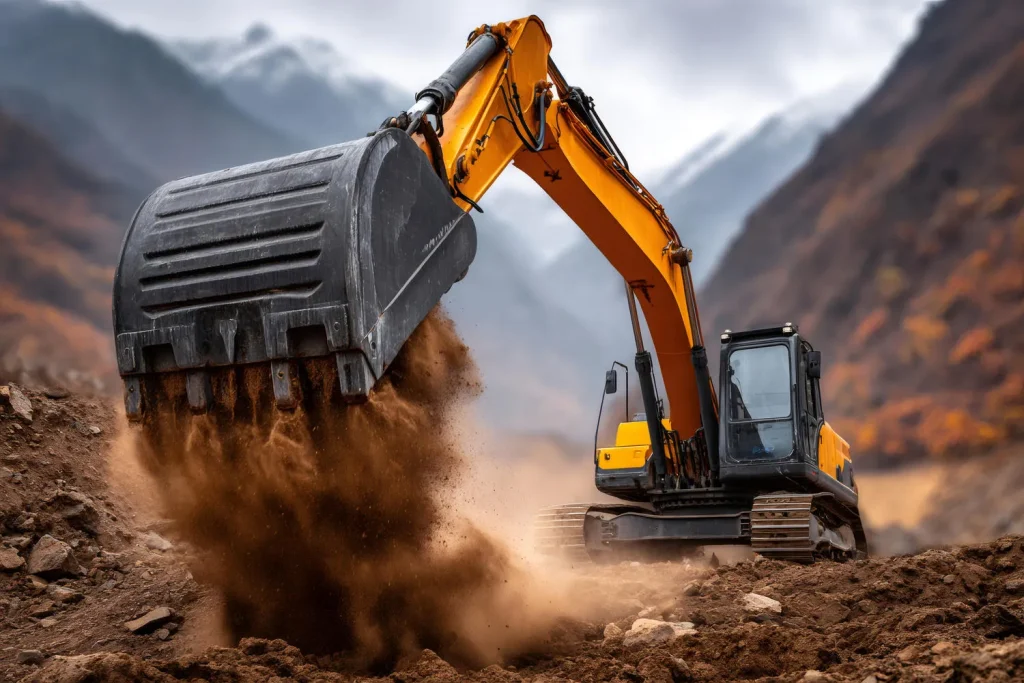
Rough grading shapes your site to match engineering plans, establishing proper elevations, slopes, and drainage patterns. Excavation contractors move earth to create building pads, access roads, and utility corridors. This phase transforms uneven terrain into a controlled surface that supports everything built afterward.
The process begins with topsoil stripping. This valuable layer is stockpiled separately for later use in landscaping. Excavation then reaches down to stable bearing soil or rock, removing organic material, loose fill, and unsuitable soils. Cut-and-fill operations balance earthwork, using material from high spots to fill low areas and minimize hauling costs.
Proper drainage design prevents water from pooling near foundations or flowing toward structures. Grading creates positive drainage away from building areas, directing runoff toward designated collection points or natural drainage ways. In areas with heavy spring rainfall and summer thunderstorms, attention to drainage during rough grading protects both the construction process and the finished building from water damage.
Excavation also prepares trenches for footings, utility lines, and septic systems. Septic system installers coordinate with excavation contractors to ensure drain fields sit at correct depths with proper slope. Underground utility routing is planned to avoid conflicts and maintain required clearances between different systems.
Compaction and Finish Grading
Compaction transforms loose fill into stable ground capable of supporting buildings, driveways, and hardscapes. Without proper compaction, soil settles over time, causing foundations to crack, slabs to sink, and pavement to fail. This step is non-negotiable for any construction project, regardless of size.
Compaction happens in lifts, typically six to eight inches of loose material compacted down to four to six inches. Each lift is compacted to a specified density, usually 90 to 95 percent of maximum dry density for building pads and 95 to 98 percent under pavement. Testing confirms that compaction meets engineering specifications before the next lift is placed.
Finish grading services refine rough grades to final elevations, smoothing surfaces and establishing precise slopes. This detail work ensures proper drainage, creates level building pads, and prepares surfaces for concrete pours or paving. Finish grading tolerances are tight, often within a tenth of a foot, requiring skilled operators and careful attention.
The final surface should be firm, smooth, and free of soft spots or standing water. Any areas that pump or deflect under equipment weight need additional compaction or stabilization before construction proceeds. Taking time to achieve proper compaction and finish grades prevents far more expensive problems later.
Working with Experienced Excavation Contractors
Choosing the right earthworks company makes the difference between a smooth project and a series of expensive corrections. Experienced contractors understand regional soil conditions, manage equipment efficiently, and coordinate with other trades to keep projects on schedule. They also carry proper insurance and maintain equipment to professional standards.
Look for contractors who communicate clearly about timelines, potential challenges, and costs. A detailed proposal should outline the scope of work, equipment to be used, and any site-specific considerations. References from recent projects, particularly similar work in your area, provide insight into reliability and quality.
Septic system repair contractors and septic tank pumping services often coordinate with site preparation work, especially on properties with existing systems that need protection or modification. Planning these interactions early prevents conflicts and ensures all systems function properly once construction is complete.
If you’re planning a construction project in Statesville or the surrounding region, proper land preparation sets the stage for everything that follows. From initial site assessment through final grading, each step builds on the previous work. Taking time to do this phase right protects your investment and creates a solid foundation for successful construction.