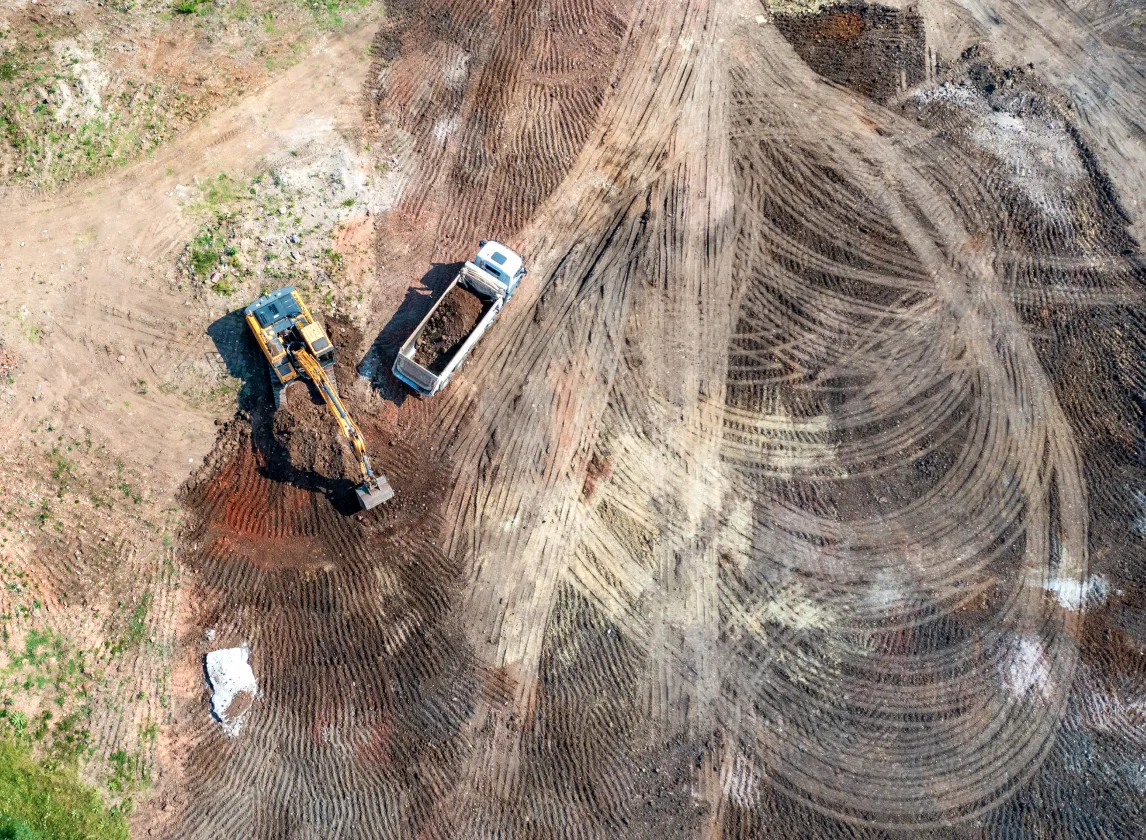
Why Site Preparation Is So Important
Proper site preparation for building construction is one of the most critical stages in any project. It directly impacts the durability and safety of the structure.
Here’s why it matters:
- Ensures Structural Stability
A properly prepared site provides a strong foundation, preventing future settling or shifting of the building.
- Prevents Water Damage
Grading and drainage planning help avoid flooding, erosion, and water pooling around the structure.
- Improves Safety
Removing debris, rocks, and vegetation reduces risks for construction crews and future occupants.
- Reduces Construction Delays
A well-prepared site allows construction to proceed smoothly without unexpected obstacles.
- Enhances Long-Term Durability
Buildings constructed on properly prepared land are more resistant to cracks, foundation issues, and environmental damage.
Key Steps in Site Preparation for Construction
Understanding how to prepare a construction site involves several essential steps. Each stage plays a vital role in ensuring the land is ready for safe and efficient building.
- Site Evaluation and Surveying
The process begins with a detailed land survey. Engineers and surveyors assess:
- Land boundaries
- Elevation levels
- Soil conditions
- Existing structures or obstacles
This step helps determine whether the site is suitable for construction and identifies any potential challenges early.
- Land Clearing
Once the evaluation is complete, the next step in preparing a site for construction is clearing the land. This includes:
- Removing trees, shrubs, and vegetation
- Clearing rocks and debris
- Demolishing old structures if necessary
Clearing ensures the site is free from obstructions that could interfere with construction work.
3. Soil Testing and Analysis
Soil testing is a crucial part of site preparation for construction. It determines whether the ground can support the planned structure.
Tests evaluate:
- Soil strength and density
- Moisture content
- Drainage capacity
- Composition and stability
If the soil is weak or unstable, engineers may recommend soil stabilization techniques before proceeding.
4. Grading and Leveling
Grading involves shaping the land to create a stable, even surface. This step ensures proper water drainage and foundation support.
Proper grading helps:
- Prevent water accumulation
- Reduce erosion
- Create a level base for construction
This is one of the most important parts of site preparation for building construction.
5. Excavation
Excavation is the process of digging the ground to prepare for foundations, basements, or utility lines. It must be done precisely according to engineering plans.
Excavation includes:
- Digging foundation trenches
- Removing excess soil
- Preparing utility pathways
Accurate excavation is essential for structural integrity.
6. Installation of Utilities
Before construction begins, essential utilities are installed, including:
- Water supply lines
- Electrical systems
- Sewer and drainage systems
- Gas lines (if applicable)
Proper utility planning ensures the building is functional and compliant with regulations.
7. Soil Compaction
After grading and excavation, the soil is compacted to increase its strength and stability. This prevents future settling and foundation issues.
Compaction ensures:
- A solid base for foundations
- Reduced risk of sinking or shifting
- Improved load-bearing capacity
How to Prepare a Construction Site Safely and Properly
Knowing how to prepare a construction site requires both technical knowledge and proper equipment. While small tasks may seem manageable, large-scale preparation should always be handled by professionals.
Here are key principles for safe preparation:
- Follow local building codes and regulations
- Conduct thorough site inspections
- Use proper machinery and safety equipment
- Ensure environmental considerations are addressed
- Hire experienced contractors for complex tasks
Professional teams understand the technical requirements and safety protocols involved in preparing a site for construction.
Common Challenges in Site Preparation
Even with careful planning, challenges can arise during site preparation:
- Unstable Soil Conditions
Weak soil may require reinforcement or replacement.
- Hidden Underground Obstacles
Old pipes, rocks, or debris can complicate excavation.
- Drainage Issues
Poor drainage can lead to water accumulation and foundation problems.
- Weather Delays
Rain or extreme conditions can slow down grading and excavation work.
Experienced professionals can quickly adapt to these challenges and ensure the project stays on track.
Why Professional Site Preparation Services Are Essential
While it may be tempting to handle preparation independently, professional services offer significant advantages:
- Access to specialized equipment
- Expertise in soil and structural analysis
- Compliance with safety and building regulations
- Faster and more efficient work
- Reduced risk of costly mistakes
Hiring experts ensures that site preparation for construction is done correctly the first time, saving time and money in the long run.
Conclusion
Understanding what is site preparation in construction is essential for anyone involved in building projects. It is the foundation of every successful structure, ensuring safety, stability, and long-term performance.
From land clearing and soil testing to grading and utility installation, each step plays a critical role in site preparation for building construction. Knowing how to prepare a construction site properly helps prevent future issues and ensures a smooth building process.
Ultimately, preparing a site for construction is not just a preliminary step—it is a vital investment in the strength and success of your entire project. Working with experienced professionals guarantees that your construction begins on solid ground, both literally and structurally.