Free Quotes With Guaranteed Pricing
- Home
- High Point, NC
High Point, NC
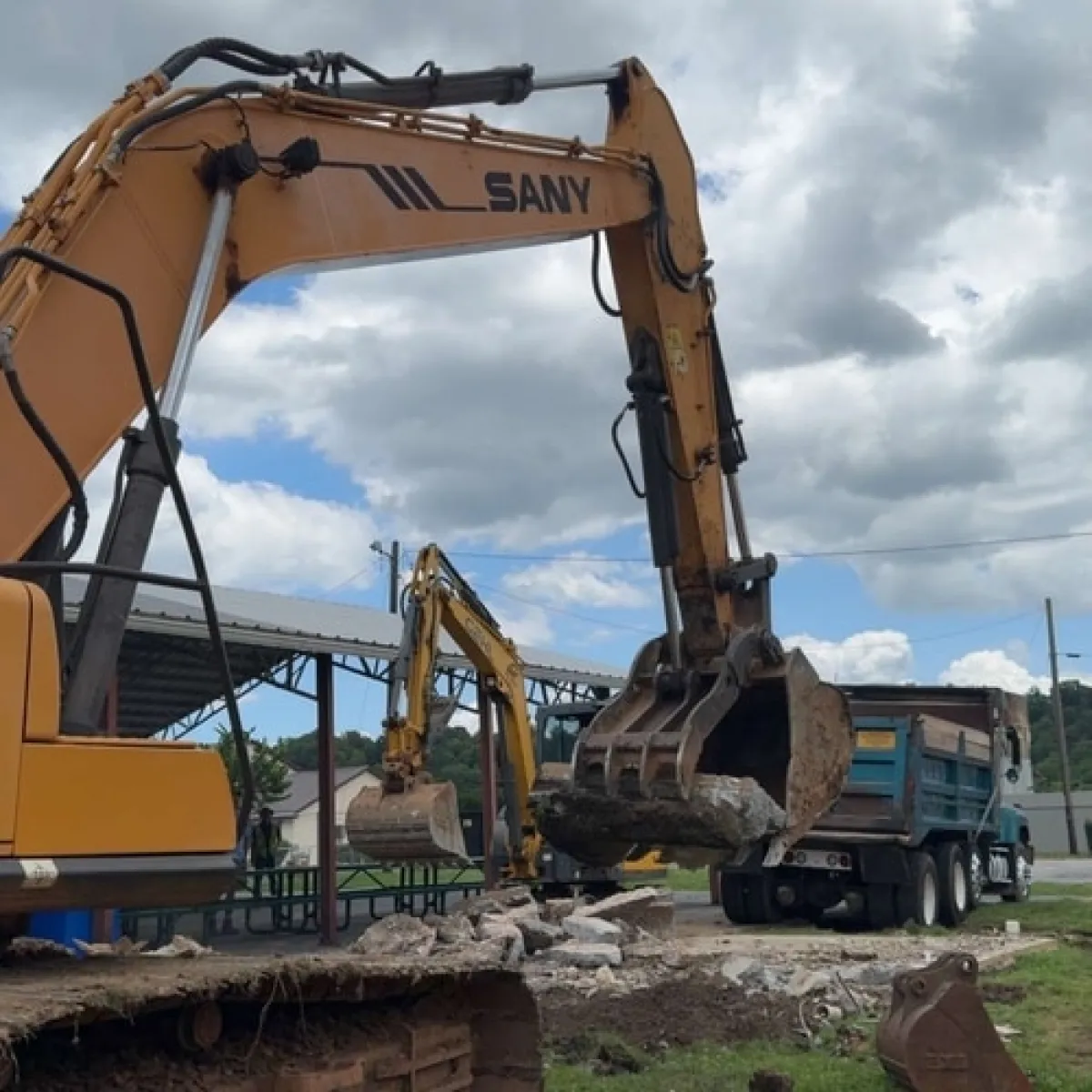
Excavation and grading form the foundation of every construction project. Site preparation contractors begin by stripping topsoil, removing stumps and debris, and shaping the land to match engineered plans. Rough grading establishes the basic contours, cut and fill work that addresses slope, drainage, and access. Finish grading services follow, refining elevations to within inches of final grade so foundations, driveways, and utilities install correctly. In High Point, NC, where many lots include natural slope and mature trees, grading often integrates erosion control measures and stormwater management to meet local regulations.
Septic system installers rely on precise excavation for drain fields and tank placement. A properly graded septic site ensures effluent flows correctly and the system passes health department inspections. When an older system fails, septic system repair contractors excavate to replace damaged lines or tanks, often working around existing landscaping and structures. Choosing operators who understand septic codes and soil percolation rates prevents installation delays and expensive corrections.
Demolition contractors handle everything from tearing down abandoned outbuildings to removing concrete slabs and old foundations. In High Point, NC, older commercial properties and aging residential structures often require demolition before redevelopment. Safe demolition means disconnecting utilities, containing dust and debris, and hauling material to approved facilities. Operators coordinate with local inspectors to ensure asbestos and hazardous-material protocols are followed, protecting neighbors and the environment.
Land clearing services remove trees, brush, and stumps to prepare raw parcels for construction or farming. High Point’s mix of hardwood and pine stands means clearing projects vary by tree density and root systems. Forestry mulching grinds vegetation in place, leaving a layer of organic material that controls erosion and enriches soil, ideal for sites where topsoil preservation matters. Traditional clearing with excavators and skid steers works best when trees will be removed entirely or when grading follows immediately. Both methods require operators who recognize property lines, protect desirable trees, and avoid damaging underground utilities.
Compaction turns loose, disturbed soil into a stable base for driveways, building pads, and retaining walls. After excavation or grading, compaction equipment, plate compactors, rollers, or rammers, compresses soil in lifts, squeezing out air pockets and increasing density. Properly compacted fill prevents settlement cracks in concrete, sagging pavement, and foundation movement. Earthworks projects in High Point, NC often involve importing select fill material when native clay doesn’t meet engineering specifications, then compacting each layer to achieve the required density.
Commercial developers depend on certified compaction testing to satisfy engineers and building inspectors. Residential projects benefit just as much: a well-compacted driveway base lasts decades, while a poorly prepared one cracks within a year. Operators monitor moisture content during compaction, because clay soil compacts best at specific moisture levels. Too wet, and the soil becomes plastic and unstable; too dry, and it won’t bind. Experience with local soil conditions ensures efficient, compliant compaction every time.
Clients return because projects start and finish on schedule, equipment arrives clean and well-maintained, and operators communicate clearly about site conditions and next steps. Transparent pricing, no surprise charges for rock removal or additional compaction passes, builds trust. When unexpected clay seams or groundwater appear mid-project, experienced crews adapt quickly, proposing solutions instead of delays.
Serving High Point, NC means understanding local permit requirements, respecting neighbor access during tight urban demolitions, and coordinating with utility companies before digging. Operators arrive prepared with the right machines for each phase: excavators for deep cuts and foundation work, bulldozers for rough grading and clearing, compactors for base preparation, and skid steers for finish grading and detail work. Every piece of equipment is sized to the project, minimizing turf damage and maximizing productivity.
Ready to discuss your excavation, grading, clearing, demolition, or compaction project? Call 704-902-0719 to talk through your site challenges and schedule a walkthrough. Whether you’re preparing a single lot or a multi-acre development, clear communication and skilled operation turn raw land into ready sites.
